
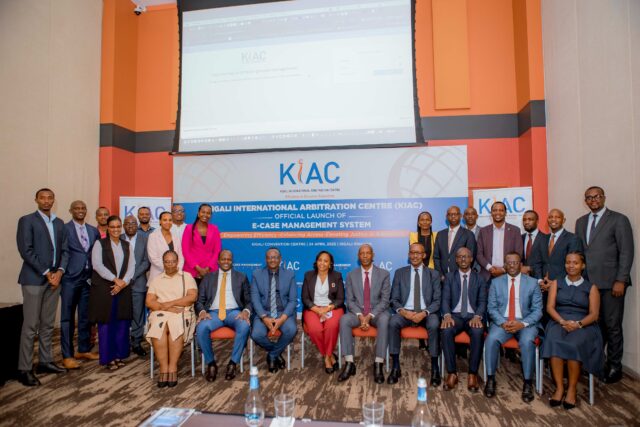
The Kigali International Arbitration Center (KIAC), Rwanda’s flagship dispute resolution institution, is gaining prominence in regional and international arbitration — but not without reservations from some foreign investors, according to the 2024 Investment Climate Statement on Rwanda released by the U.S. Department of State.
Established in 2012, KIAC was designed to handle commercial disputes efficiently and affordably in Rwanda, using rules modeled on the UN Commission on International Trade Law (UNCITRAL). The center has handled 224 cases from 2021 to 2023, with 33 percent involving foreign parties. This marks steady growth in its caseload and international usage.
However, the U.S. report reveals that some investors have voiced concerns over the mandatory use of KIAC in contracts with the Government of Rwanda (GoR). According to the document, several companies reported being pressured to accept KIAC as the seat of arbitration, despite preferring neutral jurisdictions abroad. These investors cited KIAC’s relatively limited experience and domestic location as potential risks.
Additionally, the report highlights that out of 130 KIAC-accredited international arbitrators, only eight are of Rwandan nationality. While this international makeup reflects KIAC’s global outlook, it also suggests limited local representation in high-level commercial arbitration.
Notably, some businesses indicated that the KIAC arbitration requirement has posed difficulties in securing international financing. Lenders were reportedly hesitant to fund projects tied to arbitration clauses favoring a center based in the same country as one party to the dispute — namely, the Rwandan government.
As Rwanda seeks to strengthen its investment climate and promote Kigali as a hub for international arbitration, the report underscores the importance of fostering investor confidence through transparent and neutral dispute resolution mechanisms.
While KIAC continues to expand its influence in East Africa and beyond, legal analysts say addressing perceptions of impartiality and improving institutional credibility will be key to attracting and retaining international investors.