Journalists affiliated with the Journalists Alliance for Health Development–Rwanda (JAHD-
Rwanda) have been urged to play a role in helping people living with life-limiting illnesses
access Community-Based Palliative Care (CBPC) services that can ease their suffering, while
also raising awareness among families about how to care for them.
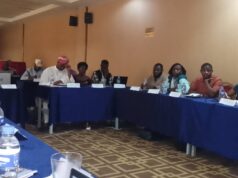
The call was made during a training held in Kigali on August 14, 2026, aimed at strengthening
journalists’ knowledge of Community-Based Palliative Care (CBPC) and equipping them with
information that can help patients and their families access appropriate support.
The training was organized by the Rwanda Biomedical Centre (RBC), in partnership with the
University of Global Health Equity (UGHE) and EMMS International. The project is currently
being implemented in Burera and Gasabo districts.
Hategekimana Vedaste, an official from the Rwanda Biomedical Centre (RBC) working in the
Non-Communicable Diseases division, particularly in cancer care, said everyone living with a
life-limiting illness, including cancer, deserves proper care and support, together with their
families or caregivers.
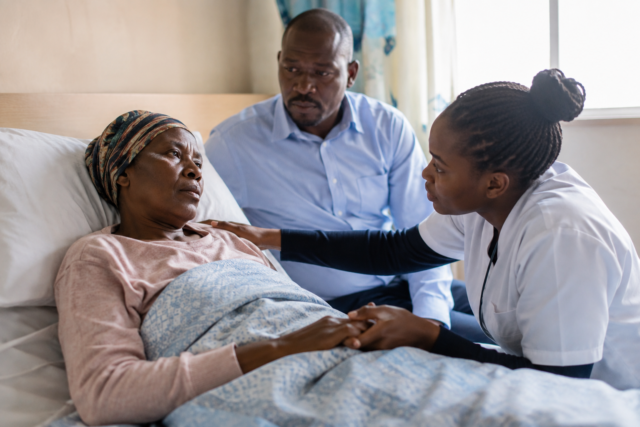
He explained that palliative care involves four key areas: relieving pain and other symptoms of
illness, providing psychological and emotional support, addressing patients’ spiritual needs, and
supporting their families.
He noted that patients may need medicines to control pain, as well as support from mental health
professionals who can talk to them and provide emotional support. Patients may also need
spiritual support according to their beliefs, including the presence of people who can pray with
them and offer comfort. Families, he added, also have an important role to play in caring for and
supporting their loved ones throughout their illness.
Hategekimana further explained that patients who are severely ill and spend long periods in bed
should be repositioned at least every two hours to prevent pressure sores that can result from
staying in the same position for too long.
Dr. François Uwinkindi, Head of the Non-Communicable Diseases Division at RBC, urged
journalists to continue raising awareness and educating families caring for people with life-
limiting illnesses, stressing that patients should not be abandoned.
He explained that palliative care is not limited to cancer patients, but can also benefit people
living with other chronic illnesses, such as stroke and severe diabetes, when the service is
recommended by a healthcare professional.
The initiative also plans to collaborate with non-governmental organizations that already work
with vulnerable people, including Good Future Family Organization, Chance for Childhood and
Bethania Home Care, to ensure that disadvantaged patients and others with specific needs can
access appropriate support.
The planned interventions include helping vulnerable patients access health insurance,
supporting income-generating activities, and providing school materials to children from
disadvantaged families.
Globally, nearly 40 million people need palliative care every year. Of these, 78% live in low-
income countries, while only about 14% of those who need palliative care are able to access it.
In 2011, Rwanda established a dedicated national policy on palliative care for people living with
life-limiting illnesses and has since continued efforts to bring these services closer to patients,
families and communities.
These figures highlight the scale of the need for palliative care and the importance of bringing
such services closer to communities, while journalists, health workers and families all have a role
to play in ensuring that people living with life-limiting illnesses do not endure suffering that
could be alleviated.