Under Rwabuhihi’s Watch, Rwanda Advances Women’s Rights in Line With the Maputo Protocol

The Chief Executive of Rwanda’s Gender Monitoring Office (GMO), Rose Rwabuhihi, has emphasized that women deserve the same rights as men and praised the progress made toward gender equality.
Rwabuhihi highlighted the strides made under the Maputo Protocol, which has played a pivotal role in advancing women’s rights across Africa.
She said: “The Maputo Protocol was a major step for Africa. It came at a time when women faced serious marginalization—experiencing violence and exclusion, especially in decision-making positions. This protocol affirmed that African women are equal human beings to men and should be granted the same rights and opportunities.”
She added that one of the first achievements to celebrate is the growing number of African countries that have signed the protocol.
“It’s encouraging that about 80% of African countries have signed the Maputo Protocol. That’s progress, but 20 years later, all countries should have signed it. There are still 11 countries that haven’t, meaning only 44 have committed. The protocol seeks the well-being of African citizens, especially women.”
Rwabuhihi noted that at least 50% of the protocol’s commitments have been implemented, with initiatives established to lift women out of poverty, although challenges remain.
She said economic inclusion had long been a challenge for Rwandan women:
“Women previously lacked property rights, couldn’t own bank accounts or inherit property. That’s no longer the case—today, women can own assets, inherit property, and access financial services.”
However, she pointed out that only half of African countries have enshrined gender equality laws to ensure that men and women receive equal pay for equal work—highlighting that some nations still allow wage discrimination based on gender.
This concern was echoed by Twagirayezu Epimaque, the Deputy Chairperson of the Pan African Movement (PAM), who noted that PAM was founded to address inequalities between men and women.
“PAM was established to ensure that all Africans, regardless of gender, contribute to building their continent and their countries,” he said.
As Africa marks 20 years since the adoption of the Maputo Protocol, stakeholders say it’s a moment to reflect and address remaining gaps—particularly in education and cultural attitudes.
“While celebrating African Women’s Day and the Maputo Protocol, we must renew our commitment to ending gender-based violence and discrimination,” Twagirayezu added. “We must ensure education systems serve the interests of African people and help solve the problems faced by ordinary citizens.”
Key Achievements So Far
Rwanda’s 2003 Constitution enshrines gender equality and equal opportunities, affirming women’s and girls’ rights as a legal principle.
Some of the notable gains include women’s access to financial resources, property inheritance rights, and equal participation in education. Women can now freely choose whom to marry, and at least 51 African countries have enacted laws prohibiting forced and child marriages.
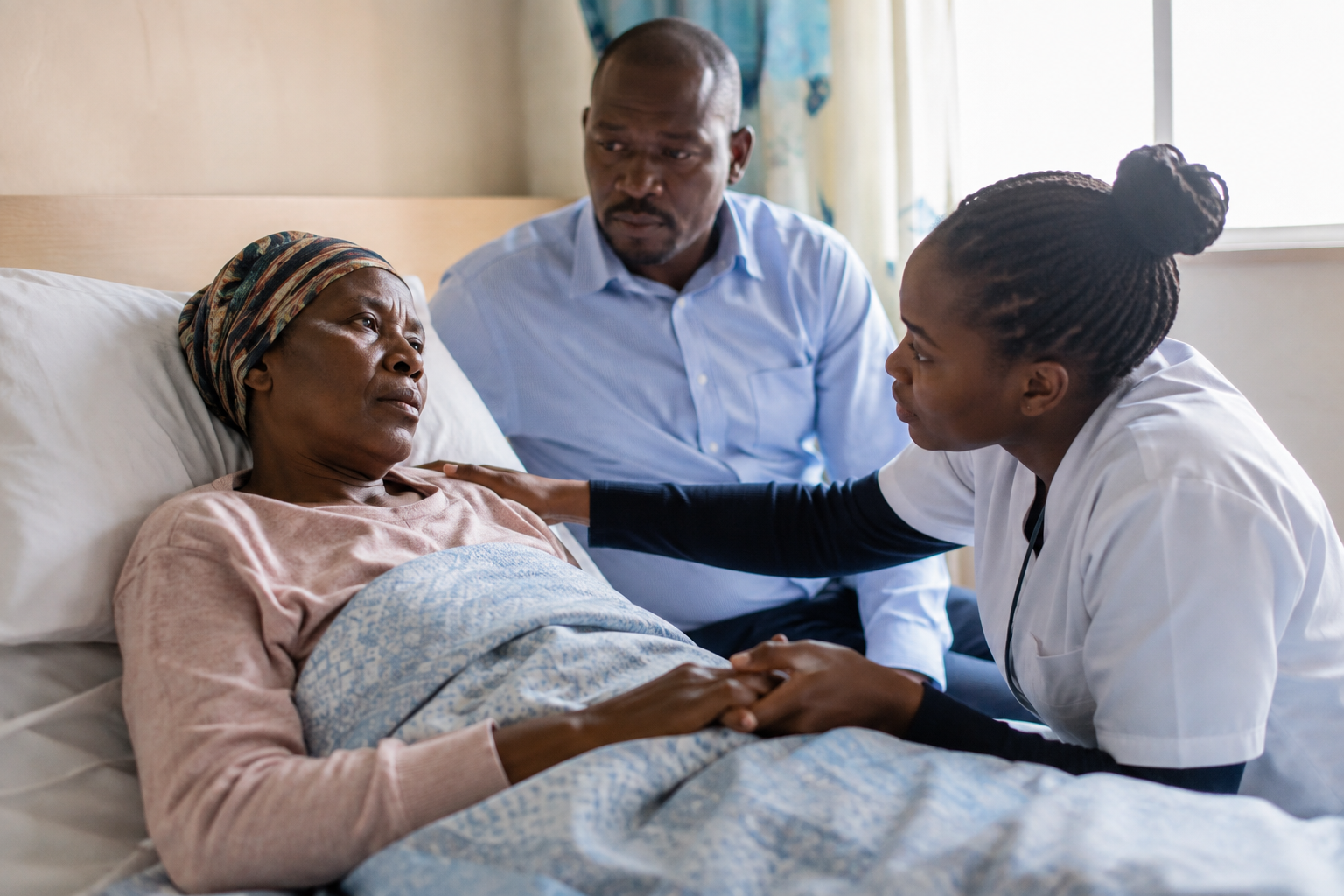
In the health sector, significant improvements have been made—especially in maternal care. Pregnant women in Rwanda, for instance, no longer pay out-of-pocket when giving birth, as maternal health has become a national priority.