
By Doreen Karungi
Journalists and media stakeholders in Rwanda have called on the government to accelerate the implementation of recommendations from the 2026 United Nations Human Rights Council Universal Periodic Review (UPR), particularly those related to media freedom, freedom of expression, and access to information.
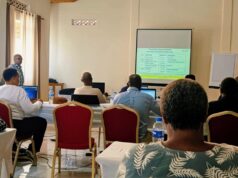
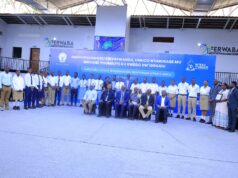
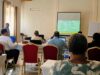
The call was made during a dialogue held on March 26, 2026, organized by Norwegian People’s Aid (NPA) in collaboration with the Rwanda Media Commission (RMC), Association Rwandaise des Journalistes (ARJ), Synergy of Women Associations in Media (SWAM), PAXPRESS, and AFRI-MEDIA LTD. The discussion focused on translating UPR commitments into concrete actions that strengthen the media sector.
During the January 2026 UPR session in Geneva, Rwanda received 286 recommendations from UN Member States, with about 12 percent directly addressing media development and freedom of expression. Stakeholders noted that many of these recommendations are not new.
Legal expert Me Ibambe Jean Paul emphasized that similar concerns have been raised in previous UPR cycles. “These recommendations have been recurring since 2011, 2015, and 2021, which shows the need to move from commitments to real implementation and measurable results,” he said.
Government representatives reaffirmed their commitment to implementing the recommendations. William Ndengeyinka, Senior State Attorney in the Ministry of Justice, said efforts are already underway. “The government is committed to implementing UPR recommendations, including reviewing relevant legislation, especially those related to the media,” he noted.

Media stakeholders, however, stressed that more concrete action is needed. Mugisha Emmanuel, Executive Secretary of RMC, highlighted key priorities including strengthening media self-regulation, protecting journalists, and reinforcing accountability systems to build public trust.
Participants also called for reforms in laws governing media and digital communication. Solange Ayanone, Director of AFRI-MEDIA LTD, pointed to legal gaps that could undermine media freedom. “Some laws can still be used to prosecute journalists, yet they are supposed to be protected and guided by regulatory bodies,” she said.
Beyond legal reforms, the dialogue emphasized the importance of Media and Information Literacy (MIL) to help citizens critically assess information in an increasingly complex digital environment.
Rushingwabigwi Jean Bosco, Director of the Media Regulation Department at the Rwanda Governance highlighted the growing complexity of the information landscape in the digital age. “How do we ensure that people are well-informed and educated in a way that they can evaluate information well?” he asked.
This aligns with broader recommendations from the media fraternity, which call for the
institutionalization of nationwide media literacy programs to enhance critical thinking, counter misinformation, and promote responsible public discourse.
Despite government commitments, experts warned that implementation remains a key challenge. Media expert Gonzague Muganwa noted that the repeated nature of recommendations reflects gaps in translating policy into practice. “The recurring nature of these recommendations shows that much more needs to be done for these commitments to translate into tangible results,” he noted.
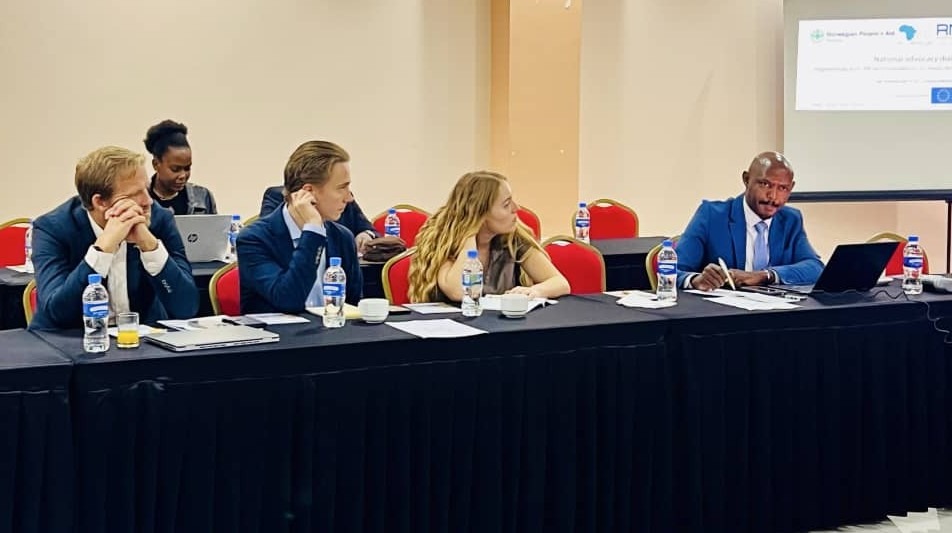
Stakeholders concluded by calling for stronger coordination among institutions, improved access to information, and enhanced protection for journalists. They also urged inclusive dialogue and greater participation of media actors in decision-making processes.
As Rwanda prepares its next UPR follow-up report, participants stressed that timely implementation of these recommendations will be essential in building a more independent, accountable, and resilient media sector.